Explore Meiji Shrine: History, Stunning Photos, and Goshuin Guide


Nestled in the heart of bustling Tokyo, Meiji Shrine offers a peaceful retreat where tradition, spirituality, and nature come together. This sacred Shinto site, dedicated to Emperor Meiji and Empress Shoken, is one of the most visited and beloved landmarks in Japan. Whether you're drawn by its towering torii gates, lush forest paths, or centuries-old rituals, Meiji Shrine promises a truly unforgettable experience.
In this ultimate guide, you'll discover everything you need to know—from its fascinating history and must-see spots to essential etiquette, best visiting times, and nearby attractions. Perfect for first-time visitors and returning explorers alike, this is your go-to resource for exploring Tokyo’s most iconic spiritual spot.
目次(Table of Contents)
- 1 Meiji Shrine: A Serene Sanctuary in the Heart of Tokyo
- 2 The History of Meiji Shrine: Legacy of Emperor Meiji
- 3 How to Get to Meiji Shrine: Access & Visiting Hours
- 4 Why Meiji Shrine is Loved by Visitors
- 5 Meiji Shrine's Goshuin: A Sacred Stamp for Visitors
- 6 Must-See Attractions at Meiji Shrine
- 7 Meiji Shrine Etiquette & Visiting Tips
- 8 Top Attractions Near Meiji Shrine
- 9 Final Tips for Visiting Meiji Shrine
Meiji Shrine: A Serene Sanctuary in the Heart of Tokyo
What is Meiji Shrine? Overview and Essential Information
Meiji Shrine, located in Shibuya, Tokyo, is a sacred Shinto shrine dedicated to Emperor Meiji and Empress Shoken. It was established in 1920 to honor their contributions to Japan’s modernization.
The shrine is nestled within a vast forest known as "Meiji no Mori", home to over 100,000 trees, creating a tranquil oasis that feels worlds away from the bustling city. As you pass through the massive torii gate, you'll enter a sacred path leading to the main shrine, surrounded by seasonal natural beauty.
Meiji Shrine is not only a place of worship but also a famous spiritual power spot in Tokyo. It holds Japan’s largest New Year’s prayer gathering, attracting millions of visitors annually. With its peaceful atmosphere and deep historical significance, Meiji Shrine is a must-visit destination for both locals and international travelers.
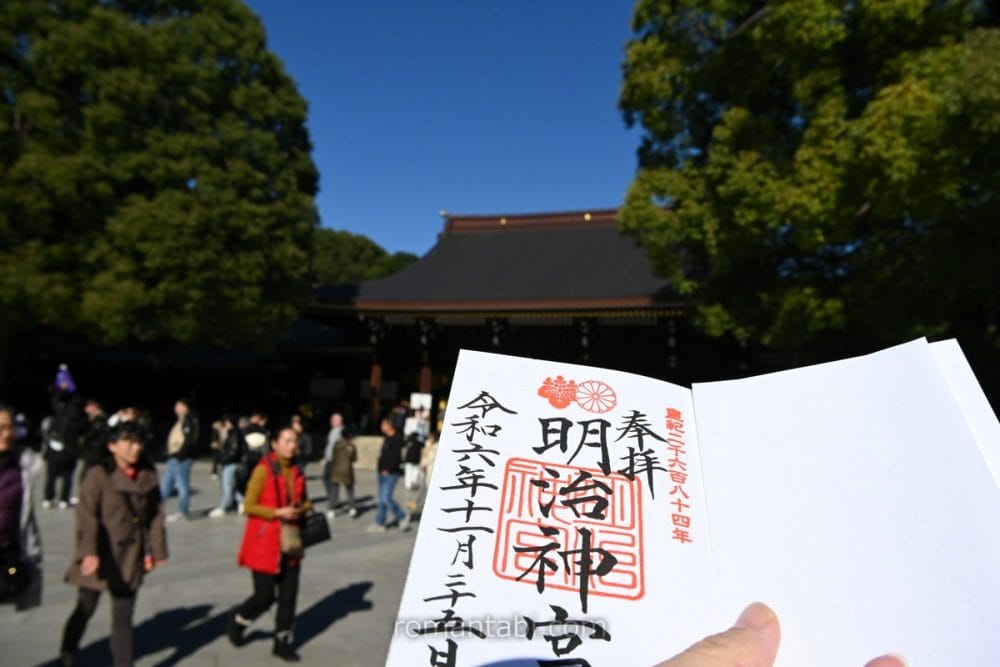
📍 Location: 1-1 Yoyogi-Kamizonocho, Shibuya City, Tokyo
⏰ Opening Hours: From sunrise to sunset (varies by season)
💰 Admission: Free (Meiji Shrine Garden requires a small fee)
- Easy access from Harajuku and Shibuya, making it convenient for tourists.
- One of Tokyo’s top power spots, known for its spiritual energy.
- Rich in history, surrounded by a beautiful forest with seasonal scenery.
The History of Meiji Shrine: Legacy of Emperor Meiji
The Founding of Meiji Shrine
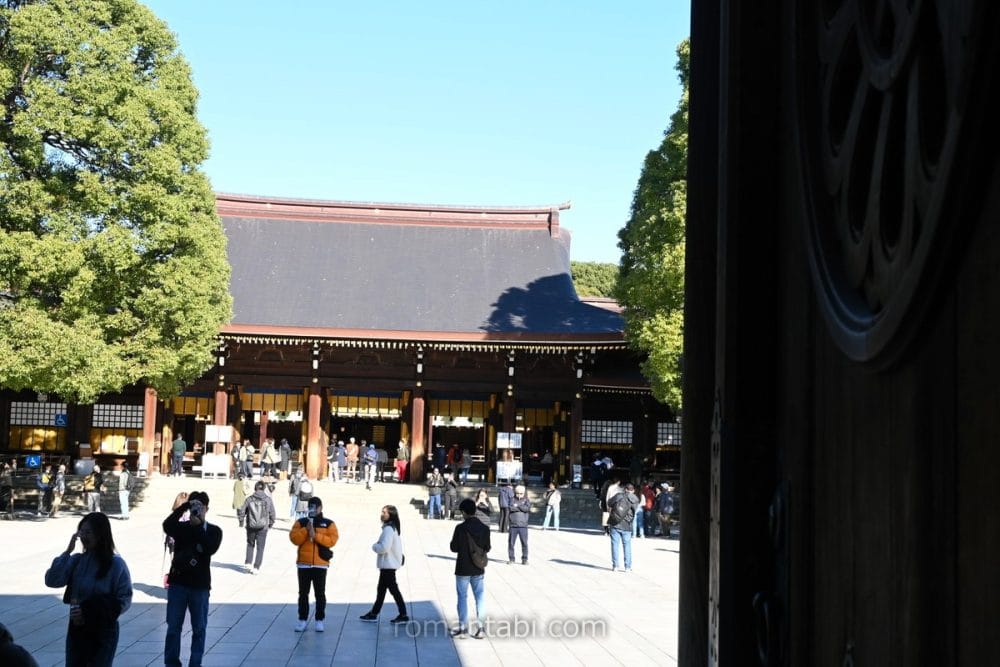
Meiji Shrine was built to honor the legacy of Emperor Meiji and Empress Shoken, who played a pivotal role in modernizing Japan during the Meiji era (1868–1912). The emperor led Japan’s transformation into a modern nation, embracing Western advancements while preserving Japanese traditions.
Following their passing, the Japanese people expressed their deep respect and gratitude by contributing to the construction of this grand shrine. In 1920, Meiji Shrine was officially established, surrounded by a lush forest that symbolizes harmony between nature and human civilization.
A Shrine Built with Nationwide Support
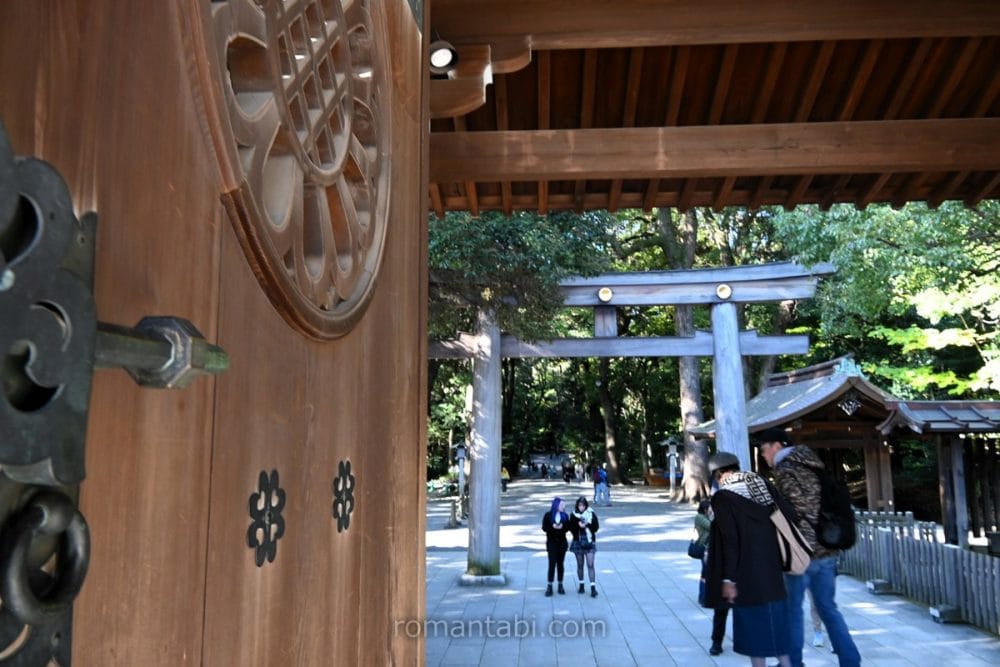
The shrine’s construction was a massive national project, with people from all over Japan offering donations and planting trees to create the sacred forest. More than 100,000 trees from different regions were brought and planted, forming what is now known as "Meiji no Mori" (Meiji’s Forest).
This unique forest, despite being man-made, has since developed into a naturally thriving ecosystem, making Meiji Shrine not only a place of worship but also a rare sanctuary of biodiversity in the heart of Tokyo.
Surviving Through History
During World War II, Meiji Shrine suffered significant damage due to air raids. However, thanks to the dedication and contributions of the Japanese people, the shrine was rebuilt in 1958. Today, it continues to stand as a powerful symbol of Japan’s resilience and cultural heritage, attracting millions of visitors from around the world.
- A tribute to Emperor Meiji’s modernization efforts, blending tradition and progress.
- Over 100,000 trees were donated and planted by people across Japan.
- Rebuilt after World War II, preserving its historical and spiritual significance.
How to Get to Meiji Shrine: Access & Visiting Hours
Convenient Access from Tokyo’s Major Stations
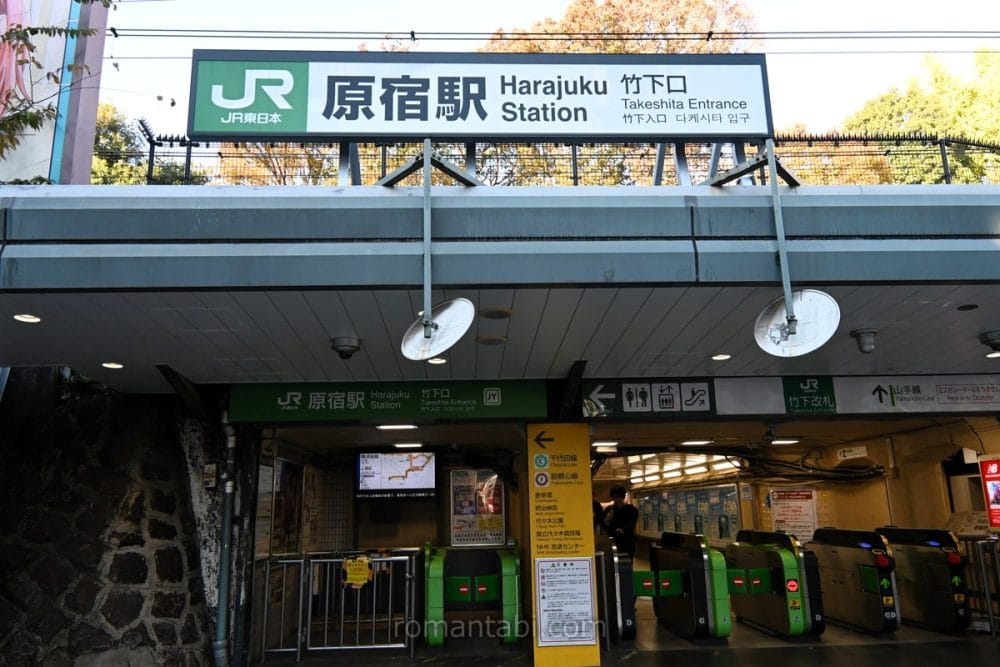
Meiji Shrine is located in a prime area of Tokyo, making it easily accessible from major train stations. The closest stations are:
- Harajuku Station (JR Yamanote Line):
1-minute walk from the Omotesando Exit. - Meiji-Jingumae Station (Tokyo Metro Chiyoda & Fukutoshin Lines):
5-minute walk. - Sangubashi Station (Odakyu Line):
10-minute walk from the quieter western entrance.
The shrine’s main entrance is located right next to Harajuku Station, making it a great spot to visit before or after exploring nearby areas like Takeshita Street and Omotesando.
Opening Hours & Best Time to Visit

Meiji Shrine operates from sunrise to sunset, with opening and closing times varying by season. It’s best to check the official website for up-to-date information before your visit.
🌅 Recommended Visit Time:
- Early Morning (7:00 - 9:00 AM): Enjoy the peaceful atmosphere before the crowds arrive.
- Weekdays: Less crowded compared to weekends and holidays.
- Spring & Autumn: Ideal for cherry blossoms (March-April) and vibrant autumn foliage (November-December).
Google Map & Directions
For easy navigation, you can use the Google Maps link below to find the best route from your location.
Why Meiji Shrine is Loved by Visitors
A Peaceful Escape in the Heart of Tokyo

Meiji Shrine is a sanctuary of tranquility, offering visitors a break from Tokyo’s fast-paced city life. The moment you pass through the massive wooden torii gate, you are surrounded by a lush forest of over 100,000 trees, creating a peaceful and sacred atmosphere.
Unlike other crowded tourist spots, Meiji Shrine provides a calming experience, allowing visitors to appreciate both Japanese culture and nature in one place.
A Top Spiritual Power Spot in Tokyo
Many believe Meiji Shrine is a power spot, a place filled with spiritual energy. One of the most famous spots is "Kiyomasa’s Well (Kiyomasa no Ido)", a natural spring located in the shrine’s garden. It is said to bring good fortune and positive energy to those who visit.
Other sacred locations include:
- The Great Torii Gate:
A symbol of purification and entry into a divine space.

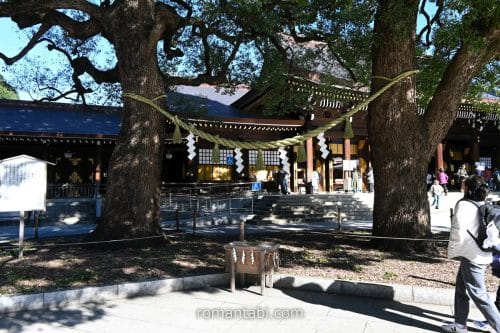
- Meoto Kusunoki (Sacred Married Trees):
Believed to bless relationships and bring harmony.

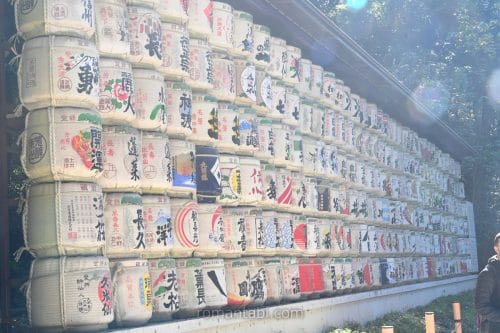
- The Sake Barrel Display:
A unique combination of Japanese tradition and cultural exchange.

Seasonal Beauty Throughout the Year
Meiji Shrine’s beauty changes with the seasons, making each visit a unique experience:

- Spring (March - April):
Cherry blossoms bloom, creating a stunning pink landscape. - Summer (June - August):
The shrine is surrounded by vibrant greenery. - Autumn (October - November):
Beautiful autumn foliage turns the shrine into a golden paradise. - Winter (December - February):
A peaceful, snow-covered landscape adds to the shrine’s mystical charm.
Traditional Events and Festivals
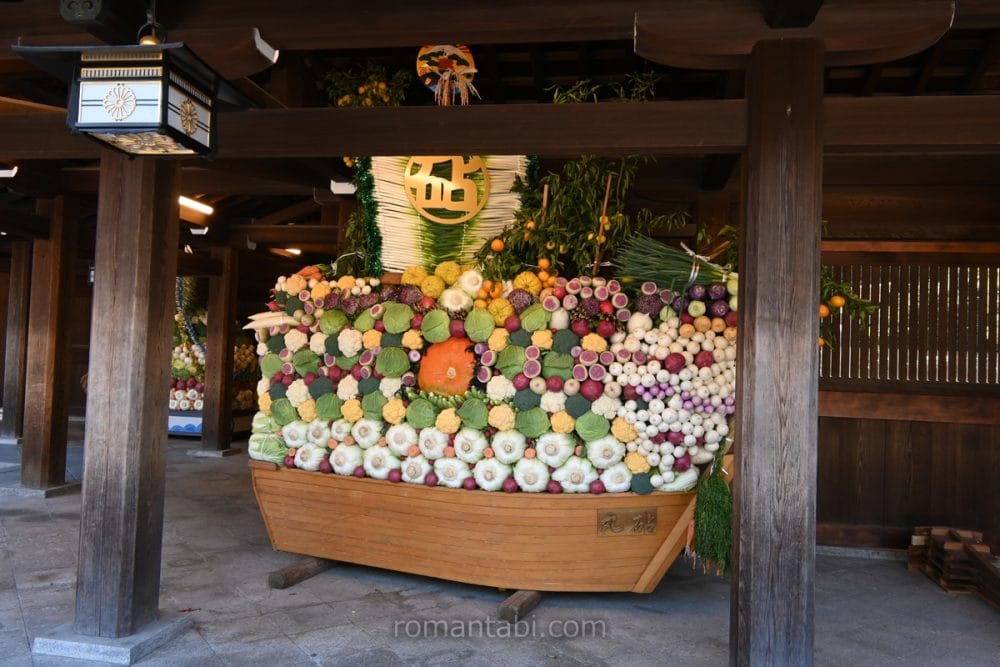
Meiji Shrine hosts several traditional ceremonies throughout the year. The most famous is Hatsumode, Japan’s biggest New Year’s celebration, where over 3 million visitors come to pray for good fortune in the coming year.
Other events include:
- Shichi-Go-San (November):
A festival for children’s healthy growth. - Traditional Japanese Weddings:
Visitors can often see couples dressed in beautiful kimono and hakama. - Spring and Autumn Grand Festivals:
Featuring sacred music and dance performances.
Would you like to continue with Meiji Shrine’s Goshuin (Sacred Stamp)?
Meiji Shrine's Goshuin: A Sacred Stamp for Visitors
What is a Goshuin?
A Goshuin is a sacred stamp given at Shinto shrines and Buddhist temples in Japan. It serves as both a symbol of your visit and a spiritual blessing. The Goshuin at Meiji Shrine is written in elegant calligraphy, making it a treasured keepsake for many visitors.
Where to Get a Goshuin at Meiji Shrine?
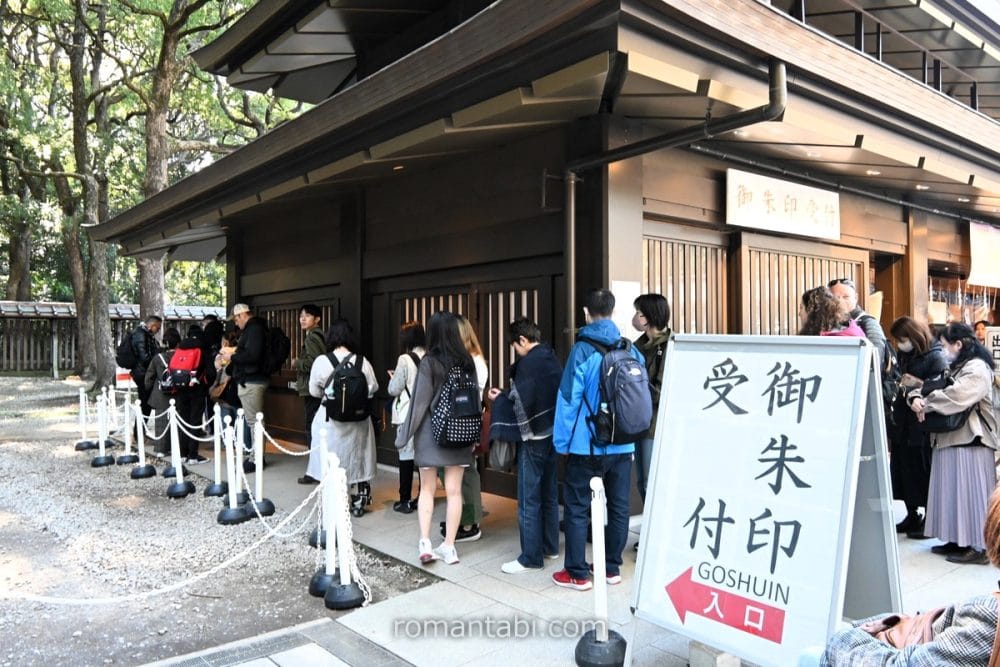
After paying your respects at the main shrine, you can receive a Goshuin at the designated Goshuin counter. The process is simple:
- Visit the Goshuin reception area, located near the main shrine.
- Prepare a Goshuin book (Goshuincho) or purchase one at the shrine.
- Offer a small fee (usually 500 yen) to receive your hand-written stamp.
Meiji Shrine also offers an original Goshuincho (stamp book), beautifully designed and available for purchase at the shrine shop.
Best Time to Get a Goshuin
Since Meiji Shrine is one of the most visited shrines in Japan, the Goshuin counter can get very crowded, especially during weekends and holidays. To avoid long lines, visit during early morning hours (before 10:00 AM) or on weekdays.
Etiquette When Receiving a Goshuin
To respect the shrine’s traditions, follow these simple etiquette rules:
- Always visit the main shrine first before requesting a Goshuin.
- Do not treat the Goshuin as just a souvenir—it is a sacred stamp.
- Avoid asking for customization—each Goshuin is written in a traditional format.
Must-See Attractions at Meiji Shrine
The Grand Torii Gate: A Majestic Entrance
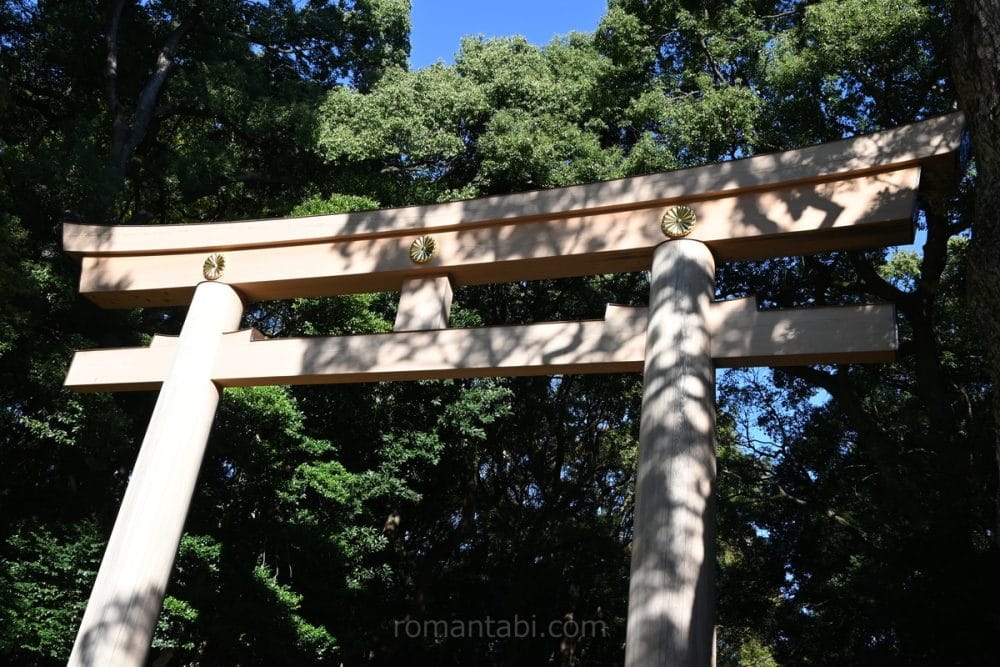
One of the most iconic sights at Meiji Shrine is the massive wooden torii gate that marks the entrance. Standing at 12 meters (39 feet) tall, it is one of the largest torii gates in Japan. Made from centuries-old Japanese cypress from Taiwan, this gate symbolizes the transition from the everyday world to the sacred grounds of the shrine.

The Sake Barrel & Wine Barrel Displays
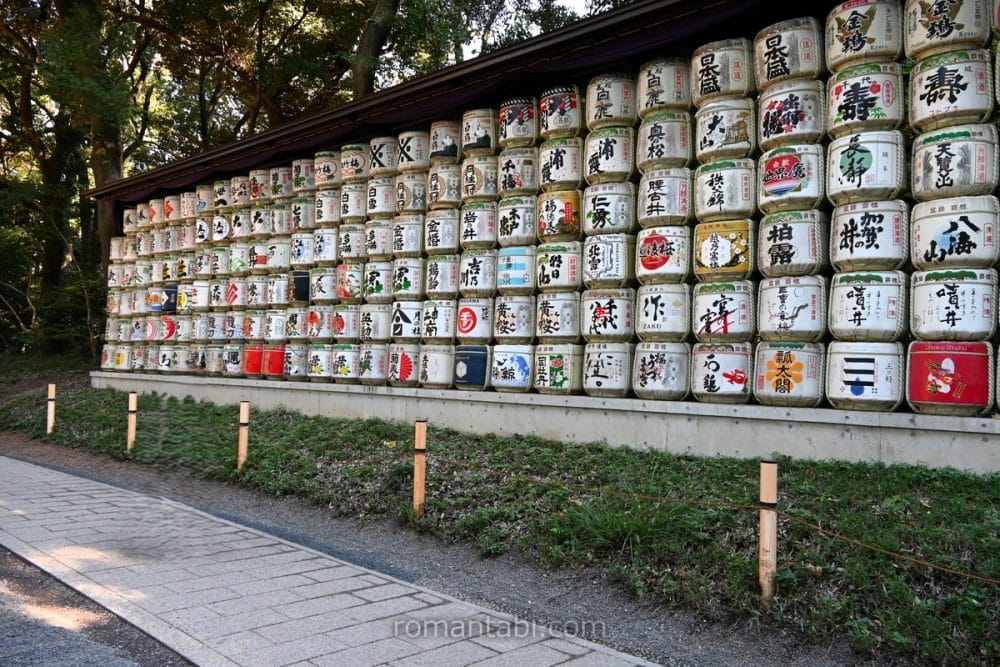
Along the approach to the main shrine, you'll notice a striking display of colorful sake barrels, donated by breweries from all over Japan. These barrels, known as "kazaridaru", are offerings to the shrine in honor of Emperor Meiji’s commitment to Japan’s culture and economy.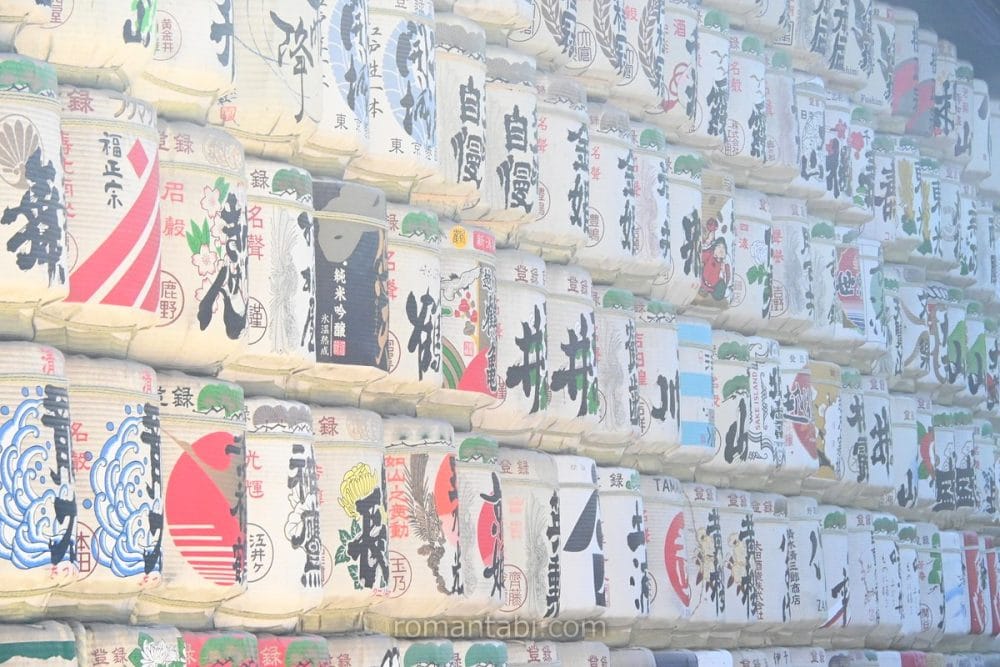
| 明治神宮で撮りたい!フォトスポットの魅力を紹介 |

Interestingly, you’ll also find wine barrels from France, donated by Burgundy winemakers. These symbolize Emperor Meiji’s embrace of Western culture and international friendship.
| 明治神宮ワイン樽が伝える日本とフランスの友情の物語 |

The Meoto Kusunoki: Sacred Married Trees
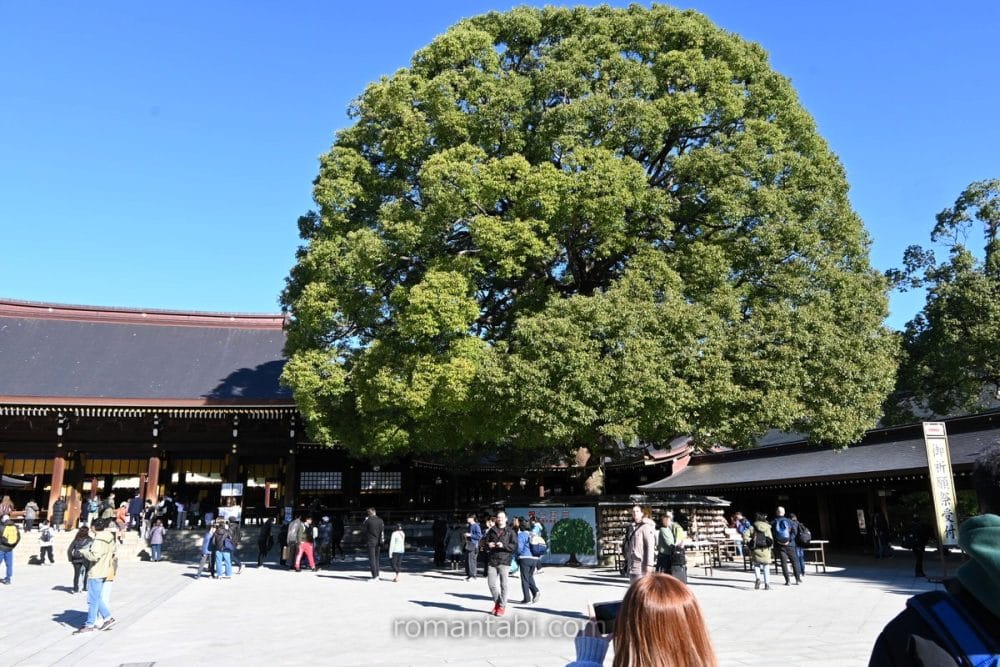
Near the main shrine, you will find two towering camphor trees standing side by side. Known as the "Meoto Kusunoki" (Sacred Married Trees), they symbolize harmony, love, and strong relationships. 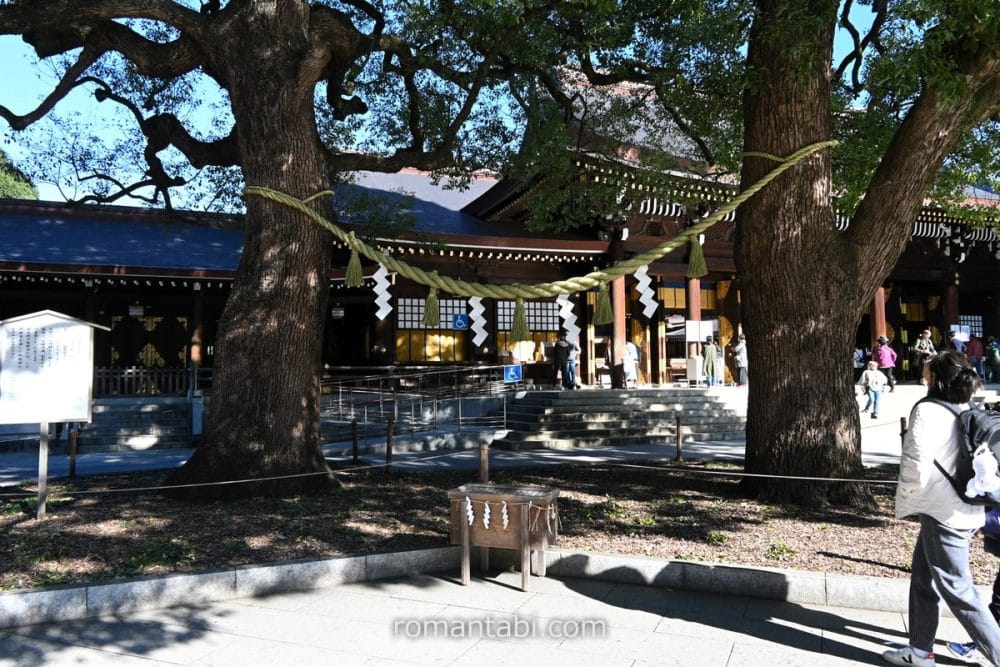 Many visitors, especially couples, come here to pray for a happy and long-lasting relationship.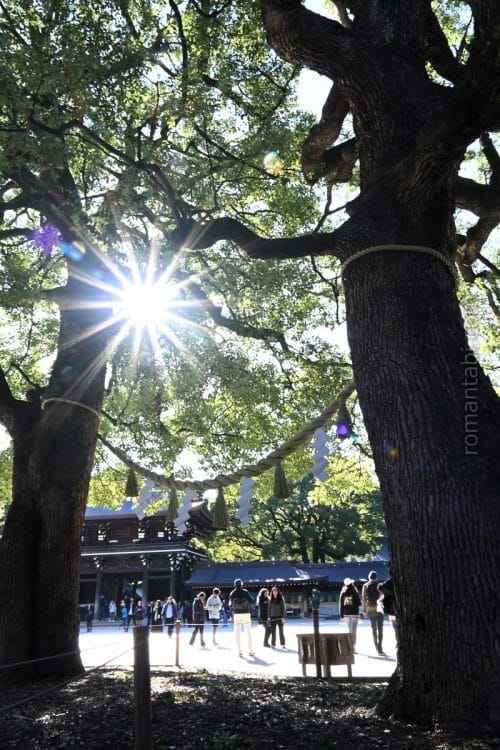
| 明治神宮の縁結びパワー!夫婦楠の秘密に迫る |

The Main Shrine: A Stunning Architectural Masterpiece
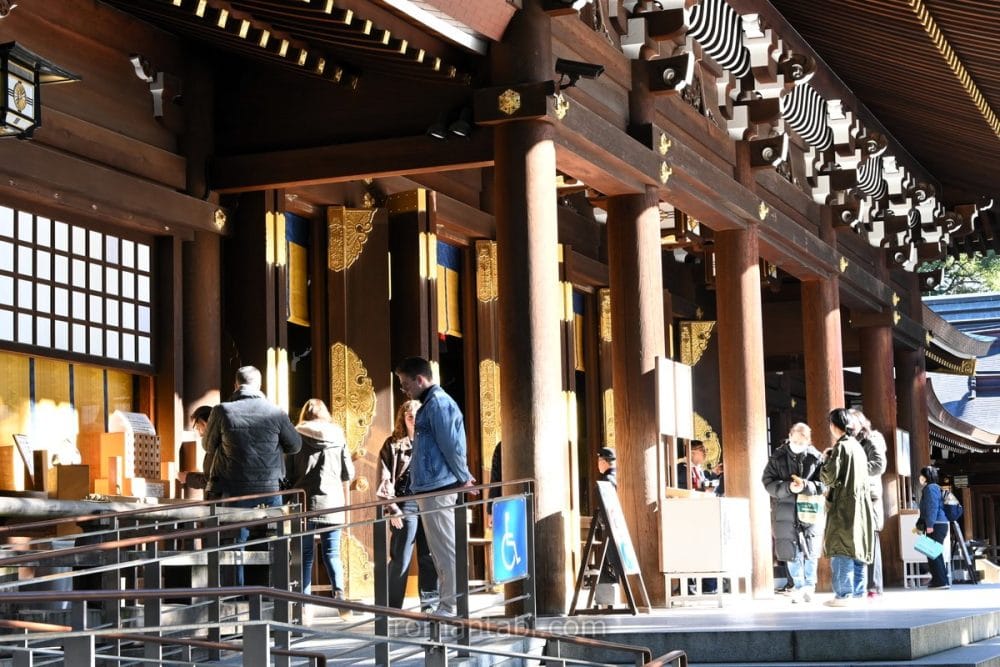
The heart of Meiji Shrine is its beautifully designed main shrine building, constructed in a traditional Japanese style. The architecture features a copper roof, intricate wooden carvings, and a solemn atmosphere that makes it an awe-inspiring place to visit.
Visitors can observe traditional Shinto wedding ceremonies here, where brides and grooms dressed in elegant kimonos walk through the courtyard.
Meiji Jingu Garden: A Hidden Oasis

The Meiji Jingu Garden is a lesser-known but breathtaking part of the shrine grounds.

Originally designed for Empress Shoken, the garden is home to the famous Kiyomasa’s Well, a sacred power spot, as well as a beautiful iris garden that blooms in June.

| 四季折々の美しさが楽しめる明治神宮御苑の見どころ |

| 昭憲皇太后と明治神宮の「隔雲亭」の意外なエピソード |

Kiyomasa’s Well: A Hidden Spiritual Power Spot

Tucked away in the serene Meiji Jingu Garden, Kiyomasa’s Well is one of the most famous power spots in Tokyo. This natural spring is said to have been dug by Kato Kiyomasa, a legendary samurai.

The well’s water maintains a consistent temperature year-round and is believed to carry spiritual energy that brings good fortune and clarity to those who visit. Many people take photos of the well’s surface, which often reflects light in a mysterious, calming way.

To fully enjoy its peaceful energy, it’s best to visit in the early morning when the garden is quiet and the air is fresh.
Note: Entrance to the Meiji Jingu Garden requires a small fee, but the experience is well worth it.
| 運気アップの秘訣!明治神宮の清正の井戸が持つ驚きのパワーとは |

Meiji Shrine Etiquette & Visiting Tips
How to Show Respect When Visiting Meiji Shrine
Meiji Shrine is a sacred site, and visitors are encouraged to follow traditional Japanese etiquette when entering the shrine grounds. Here are some key points to keep in mind:
- Bow before entering and leaving:
When passing through the torii gate, bow slightly to show respect. - Avoid walking in the center of the path:
The middle of the path is reserved for the kami (Shinto deities), so visitors should walk along the sides. - Cleanse yourself at the temizuya:
Use the water ladle to wash your hands and rinse your mouth before approaching the main shrine.
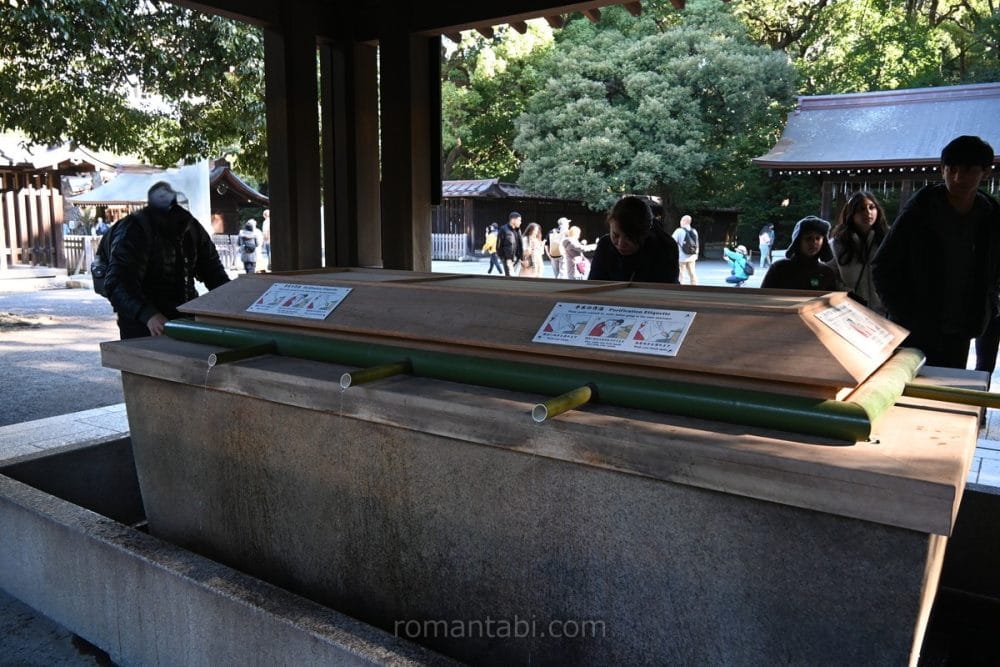
Proper Way to Pray at Meiji Shrine
At the main shrine, follow the "two bows, two claps, one bow" ritual:
- Bow twice deeply.
- Clap your hands twice.
- Make a silent prayer or wish.
- Bow once more before stepping away.
This is the proper way to pay your respects in the Shinto tradition.
What to Wear When Visiting
There is no strict dress code, but since Meiji Shrine is a sacred place, visitors should wear respectful and modest clothing. Avoid overly revealing outfits, and opt for comfortable shoes as you will be walking a lot.
Best Time to Visit Meiji Shrine
To avoid crowds and enjoy the **peaceful atmosphere**, plan your visit during these times:
- Early morning (before 10:00 AM): The best time for a quiet and spiritual experience.
- Weekdays: Less crowded compared to weekends and holidays.
- Spring and autumn: Beautiful cherry blossoms (March-April) and autumn foliage (November-December).
How to Avoid Crowds

Meiji Shrine is one of the most visited shrines in Japan, especially during New Year’s celebrations and weekends. To avoid large crowds:
- Visit early in the morning (before 9:00 AM).
- Choose a weekday instead of a weekend.
- Check for national holidays or major events, as these can draw bigger crowds.
Top Attractions Near Meiji Shrine
Explore More of Tokyo: Visit the Historic Asakusa Area

After enjoying the spiritual serenity of Meiji Shrine, why not continue your journey through Tokyo’s rich cultural landscape with a visit to Asakusa?
This historic district is home to Senso-ji Temple—Tokyo’s oldest and most famous Buddhist temple—and is known for its traditional streets, delicious street food, and vibrant festivals. You can stroll through Nakamise Shopping Street, try local snacks, or even rent a kimono for the perfect photo opportunity.
Click here to explore Asakusa: A timeless treasure in the heart of Tokyo »

Harajuku’s Takeshita Street: A Pop Culture Wonderland

Just a short walk from Meiji Shrine, Takeshita Street is the heart of Harajuku’s unique youth culture. This vibrant shopping street is filled with:
- Trendy fashion boutiques selling the latest street styles.
- Famous Harajuku crepes, bubble tea, and rainbow cotton candy.
- Unique souvenir shops offering quirky Japanese gifts.
For those who love Japanese pop culture and fashion, Takeshita Street is a must-visit spot after exploring Meiji Shrine.
Omotesando: Tokyo’s Luxury Shopping Avenue
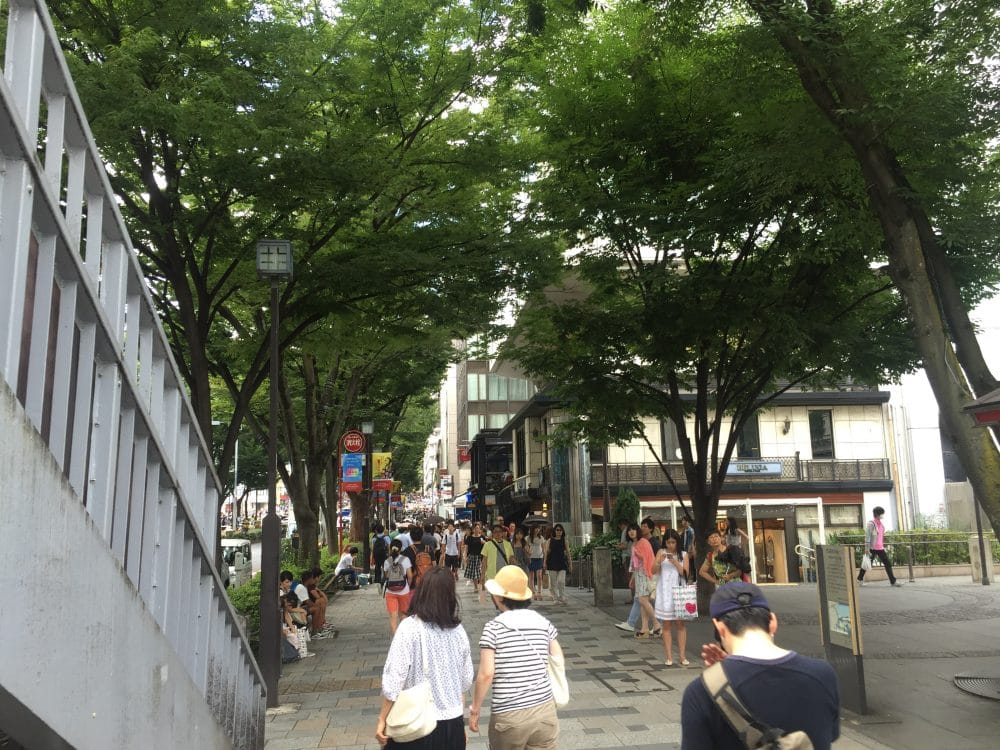
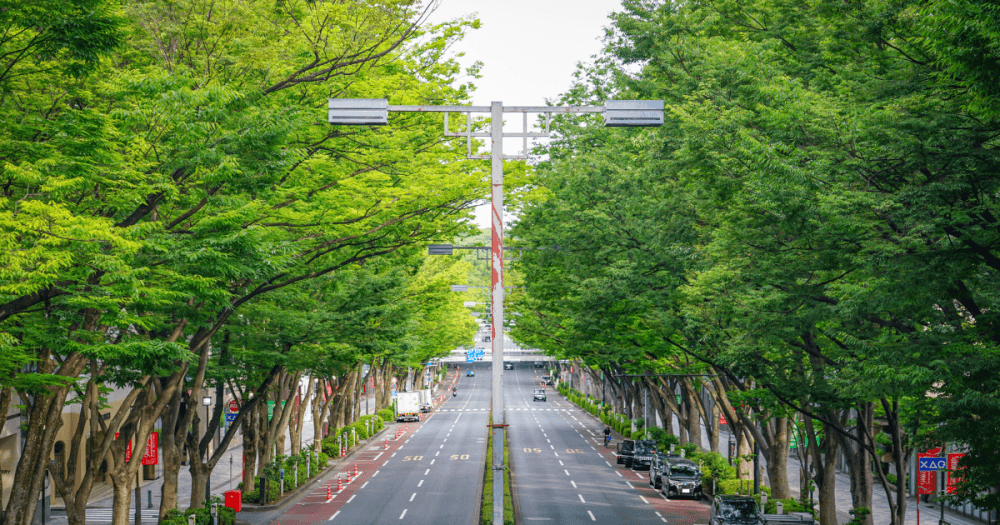
Known as "Tokyo’s Champs-Élysées", Omotesando is a stylish boulevard lined with luxury brands, trendy cafes, and modern architecture. Whether you're interested in high-end shopping or just enjoying a relaxing café experience, Omotesando is the perfect place to explore after your spiritual journey at Meiji Shrine.
Final Tips for Visiting Meiji Shrine
Key Points to Remember
Meiji Shrine is a peaceful and spiritual destination, offering visitors a chance to experience Japan’s rich traditions and natural beauty. To make the most of your visit, keep these essential tips in mind:
- Arrive early in the morning to enjoy the serene atmosphere before the crowds arrive.
- Wear comfortable shoes, as you will be walking through gravel paths and large shrine grounds.
- Respect shrine etiquette by following proper prayer manners and keeping noise levels low.
- Take your time exploring—don’t rush through the shrine, as it offers many hidden gems like the Meiji Jingu Garden and Kiyomasa’s Well.
- Check the official website for seasonal events and updated visiting hours.
Best Souvenirs to Take Home
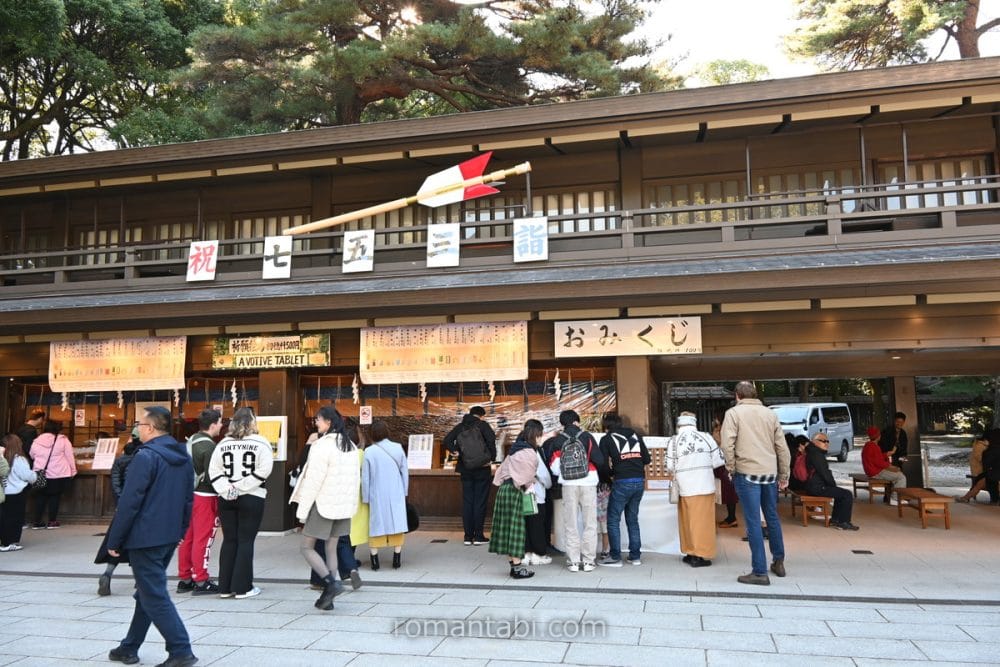
Meiji Shrine offers a variety of traditional souvenirs, including:
- Ema (wooden prayer plaques):
Write your wishes and leave them at the shrine or take one home as a lucky charm. - Omamori (protective charms):
Available for health, love, success, and safety. - Goshuin (sacred stamp):
A beautiful calligraphy stamp marking your visit to the shrine.

Final Thought: Experience the Spiritual Heart of Tokyo

Meiji Shrine is more than just a tourist attraction—it is a symbol of Japan’s spiritual heritage and a sanctuary of peace. Whether you're drawn by its historical significance, beautiful nature, or cultural traditions, a visit to Meiji Shrine is sure to leave a lasting impression.
Take a deep breath, walk through the grand torii gate, and immerse yourself in the timeless beauty and tranquility of Meiji Shrine.
Meiji Shrine


4 must-visit power spots


Meiji Shrine Gardens
There is an admission fee to enter Meiji Shrine, but it is well worth the cost.