

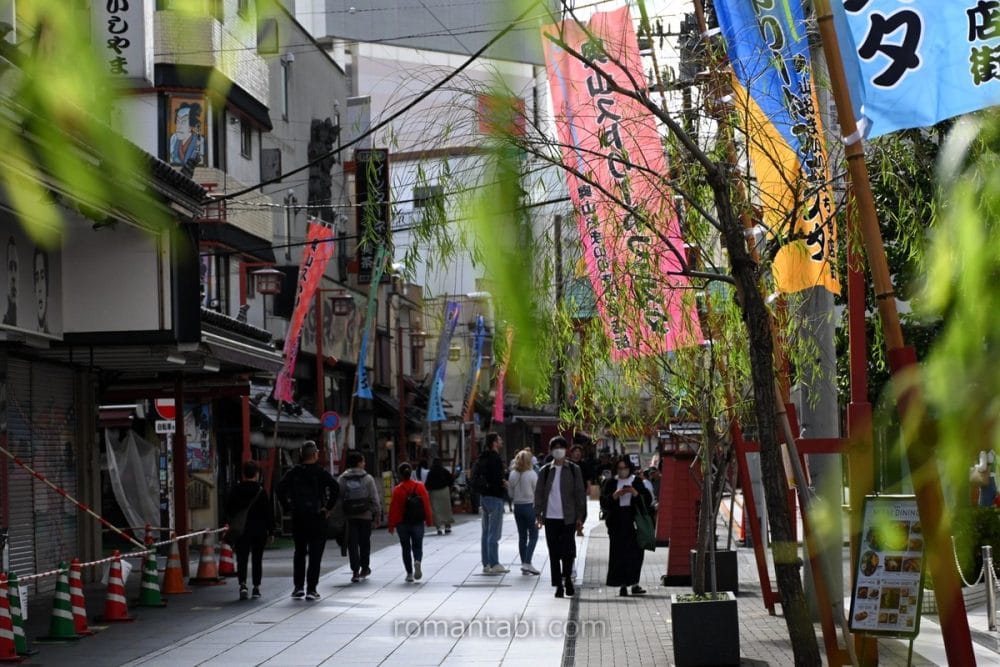
Most Senso-ji visitors never make it here, which is exactly the appeal. Okuyama Omairi-machi, on the temple's west side, is where kabuki-themed shutter art, a giant octopus cracker, and a genuinely excellent matcha dessert shop all sit within a two-minute walk of each other — with a fraction of the Nakamise crowds.

This guide covers the street's history, where to eat, and the shops worth a detour — everything I found walking it myself.
What is Okuyama Omairi-machi?
Kabuki Shutter Art
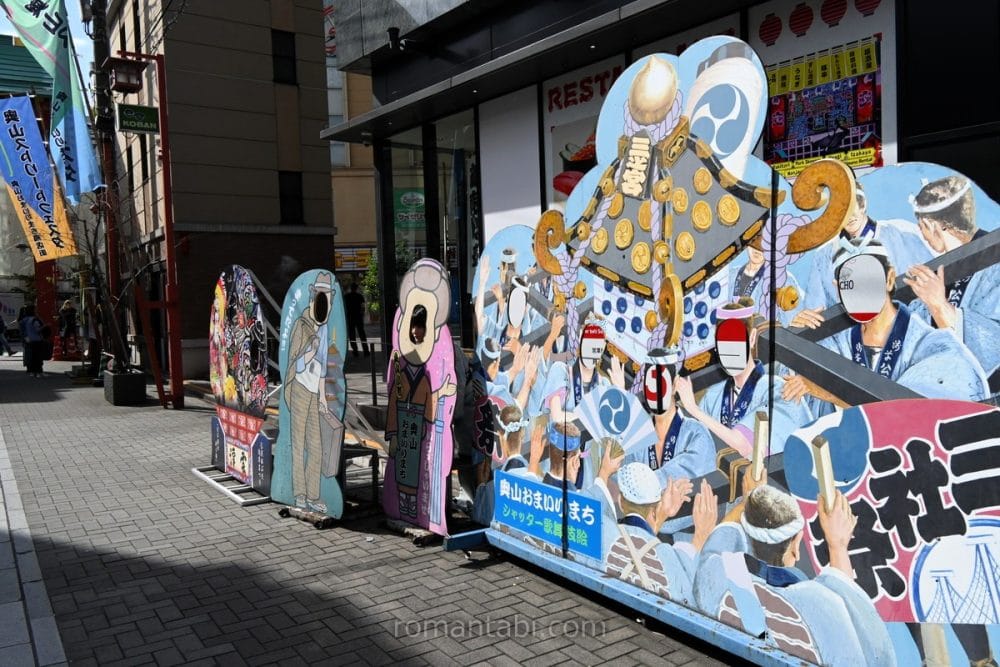
The street's best-known feature is its shutter art — each shop's roll-down shutter painted with a scene or character from kabuki theater, which has earned the street the local nickname "Kabuki Pictures Street."
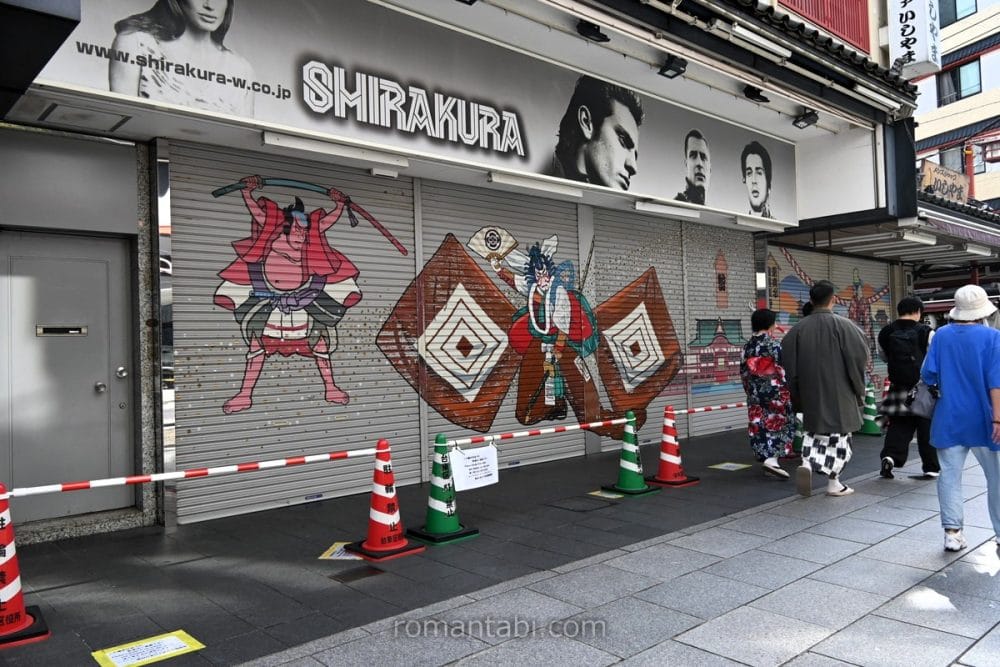
The mood shifts depending on when you visit — the shutters are lit up at night, which gives the street a completely different feel from its daytime version. You don't need to know anything about kabuki to appreciate the color and detail here.
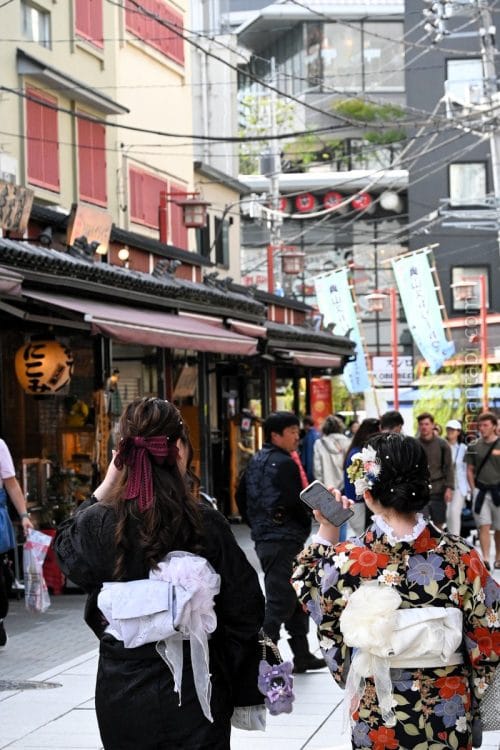
Where to Find It
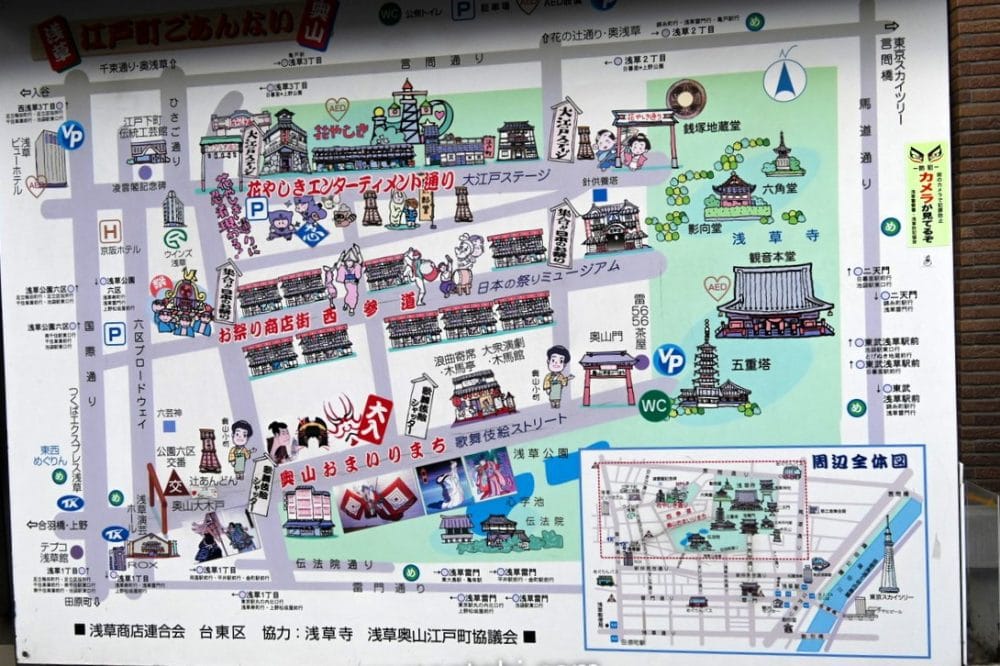
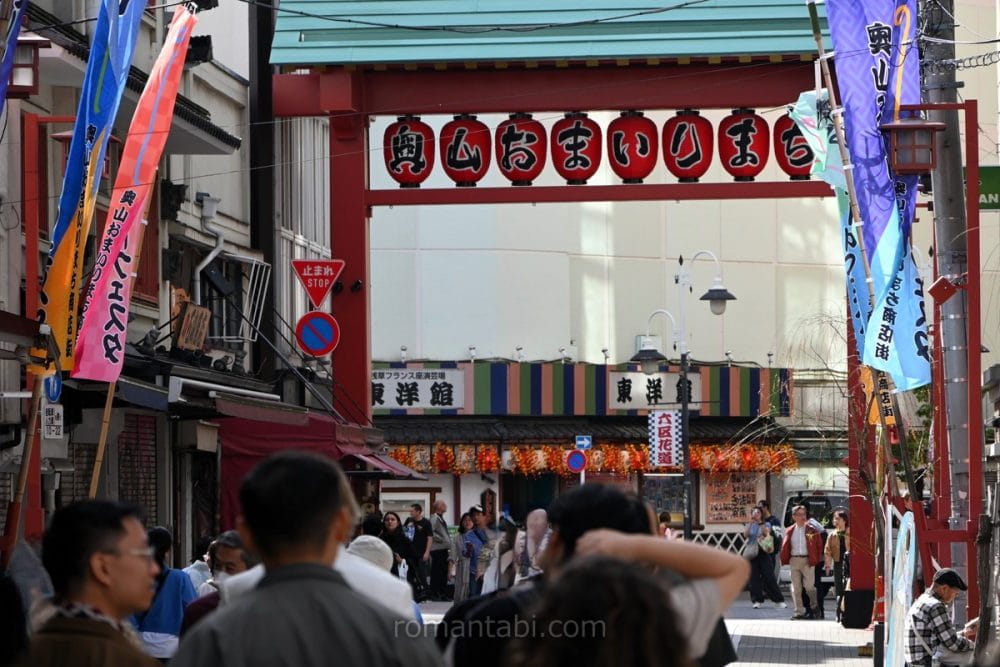
Okuyama Omairi-machi sits on the west side of Senso-ji, running roughly parallel to Nishi-Sando Street and the streets around Hanayashiki. It stretches from the Okuyama Gate near the temple to the Okuyama Daikido Gate near Tsukuba Express Asakusa Station — a quieter, more local alternative to Nakamise Street.
The Seven Lucky Gods
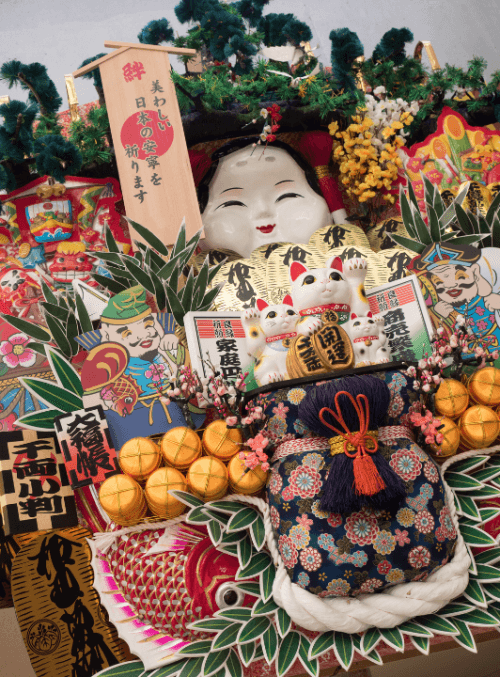
Walk the street and you'll spot statues of the Seven Lucky Gods outside many shops, each representing a different kind of fortune — business success, family happiness, and so on. Every statue is unique to the shop displaying it, which turns a simple walk into a bit of a scavenger hunt.
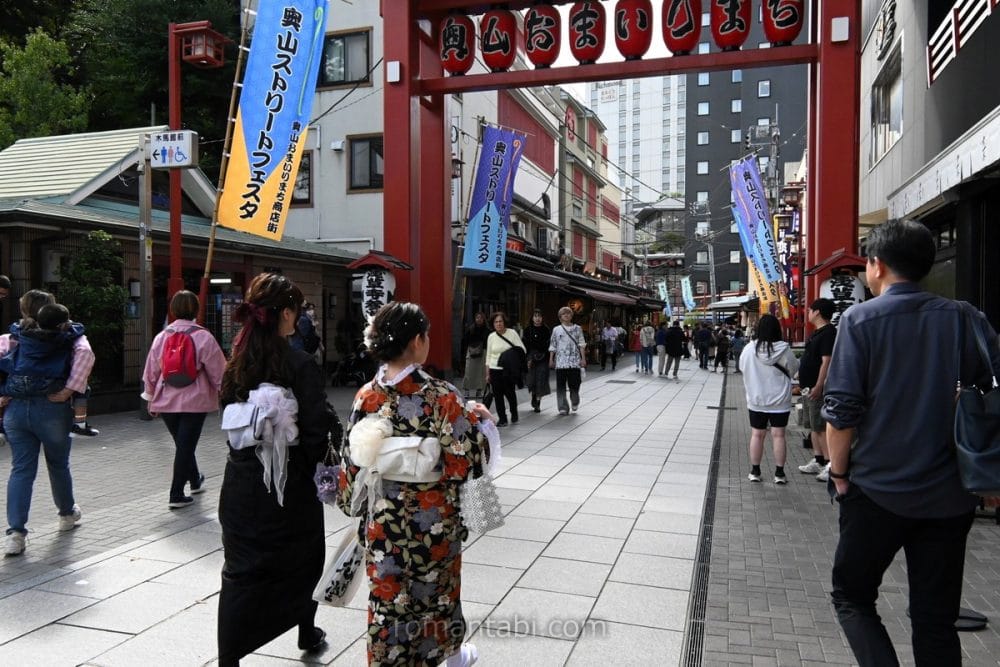
Face-in-Hole Photo Boards
Scattered along the street are "face-in-hole" photo boards themed around festivals like Nebuta and Sanja Matsuri — a genuinely fun, low-effort photo op for families or anyone traveling with kids.
Where to Eat

Maeda: Beef Tendon Stew
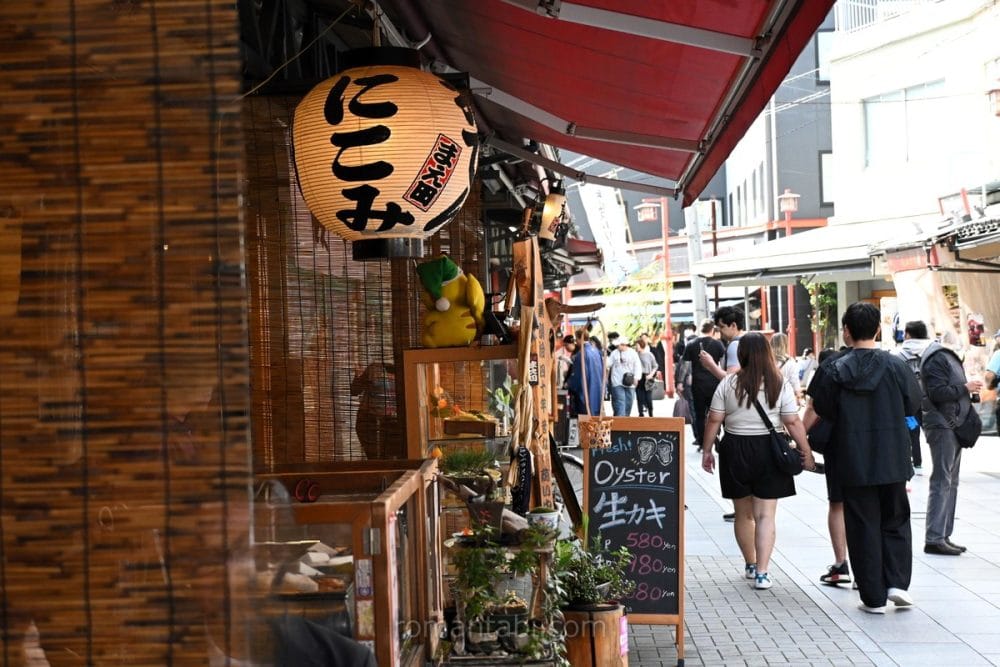
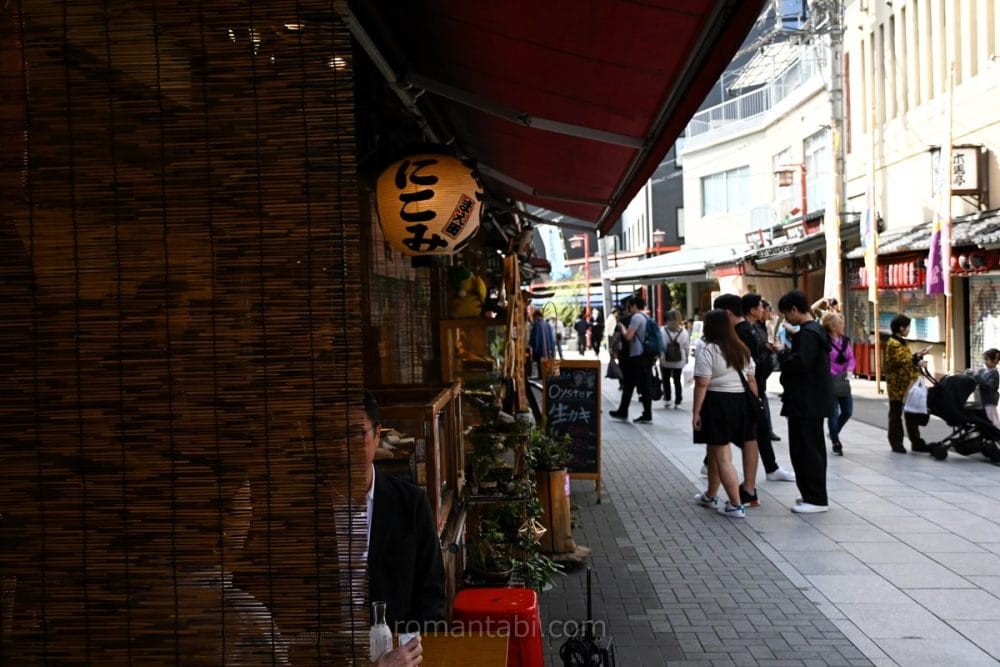
A retro diner with a bright orange noren out front, known for slowly simmered beef tendon stew — tender, well-seasoned, and the reason most people stop here. Ramen, tanmen, and oyakodon round out the menu if stew isn't your thing.
San Shokudo: Classic Ramen
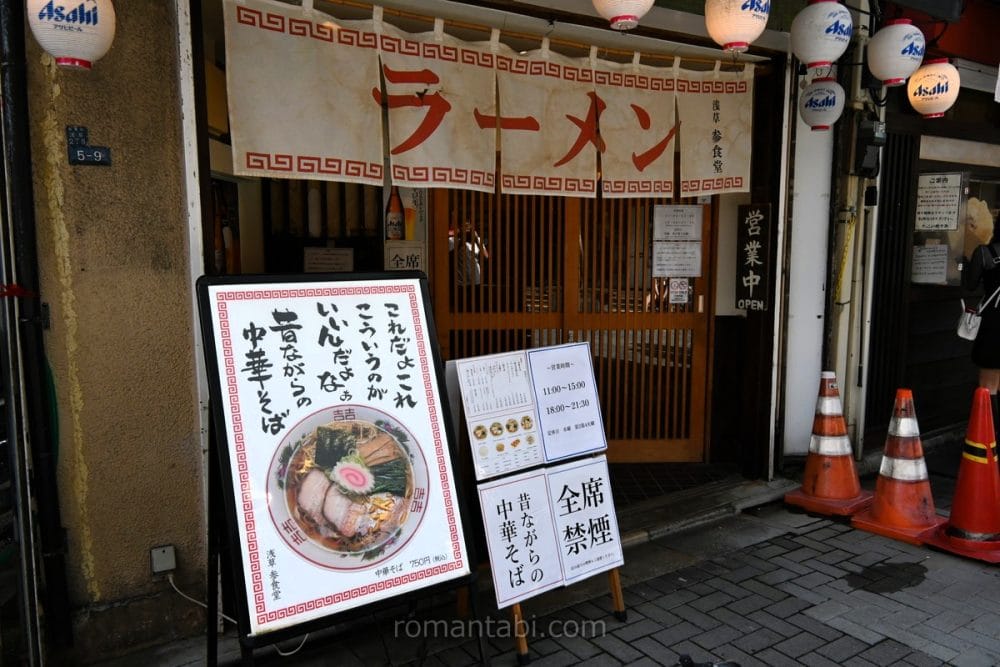
A retro-style ramen shop with a straightforward shoyu ramen — clear soy sauce broth, chopped scallions, springy noodles — that's more about nostalgia than innovation. Gyoza and tsukemen are also on the menu.
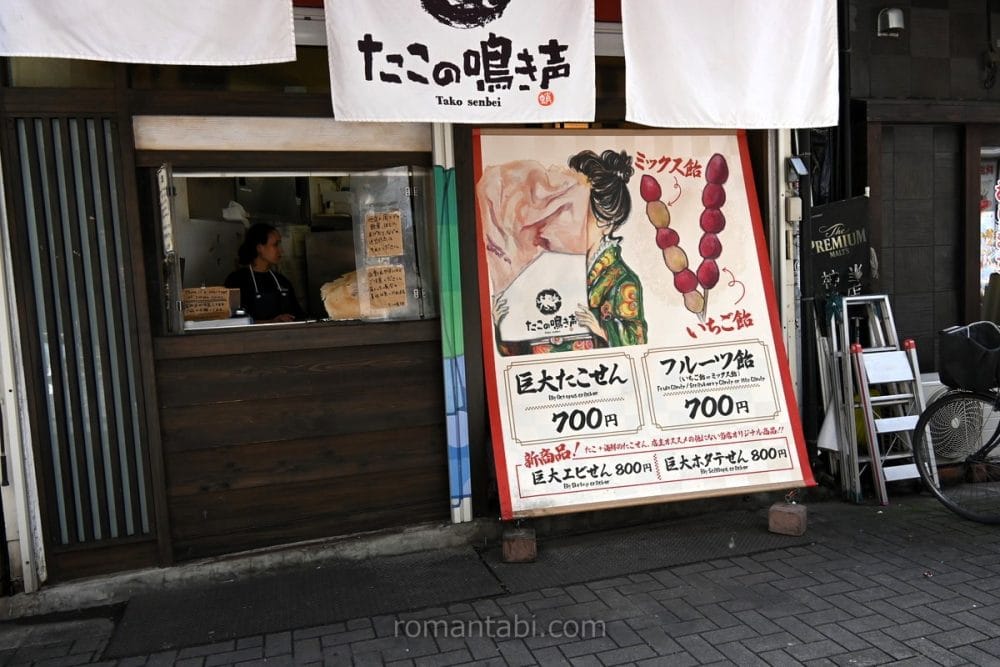
Tako no Nakigoe: Giant Octopus Crackers
Famous for a single item: an octopus cracker larger than your face, crisp and savory, best split between two people. It's grilled to order, so budget a short wait — and don't be surprised if it becomes the photo of your trip.
Kimizuka Shokudo: Oden and Home Cooking
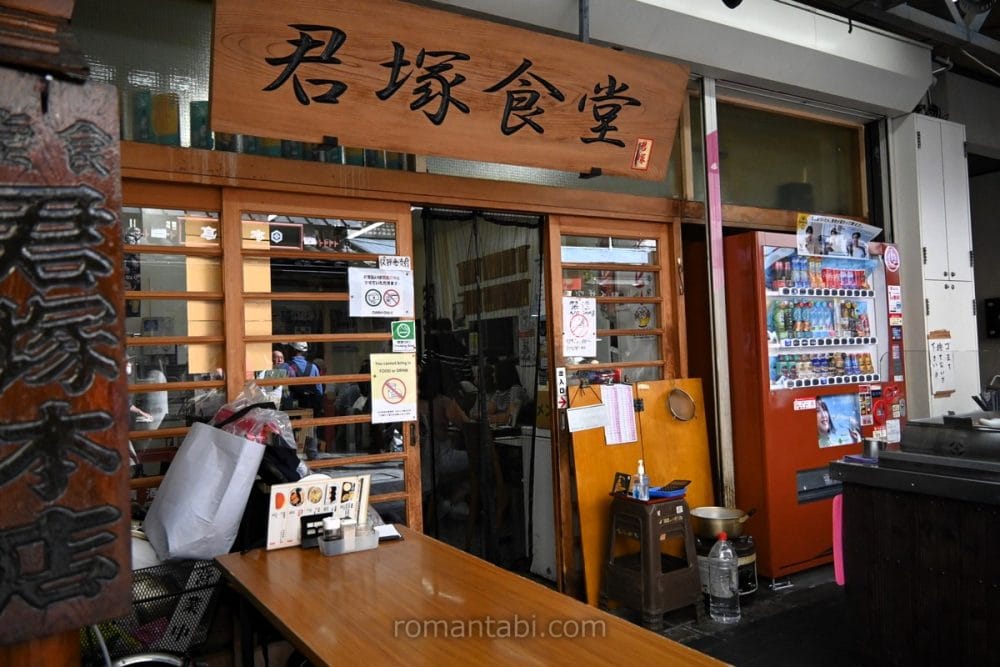
A nostalgic diner across from Mokubakan Theater, known for oden simmered in a light, flavorful broth at around 100 yen per item. Stewed tripe and yakisoba round out a menu built for pairing with a cold beer.
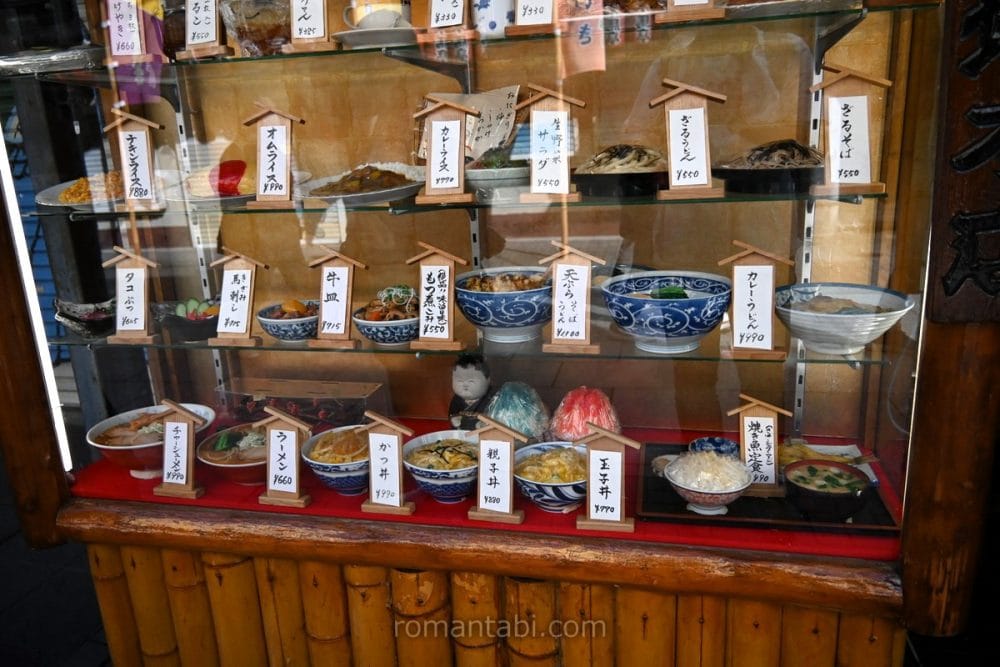
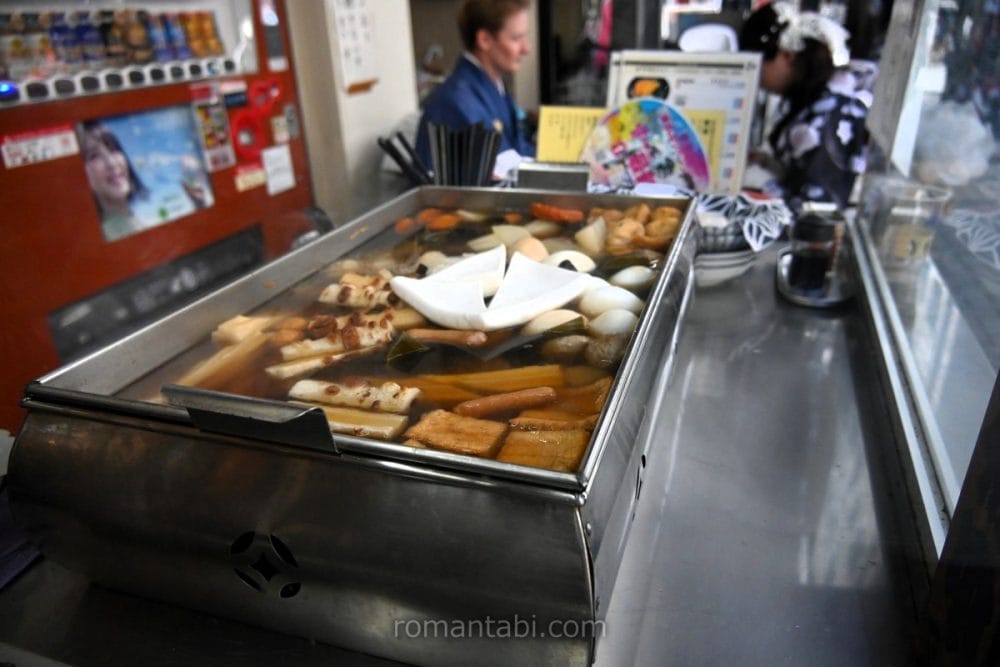
Asakusa Tako-Maru: Freshly Grilled Takoyaki
A small takoyaki specialist serving octopus balls fresh off the griddle, alongside light bites like fried chicken and house-made sausages. Good for a quick stop with a drink rather than a sit-down meal.
Uotami: Izakaya and Sushi
A larger izakaya with private rooms and banquet-style seating, serving sushi alongside standard izakaya fare — skewers, tamagoyaki, and seasonal seafood. A solid option if you want a proper sit-down meal rather than another street snack.
Kaminari Issa: Matcha Desserts
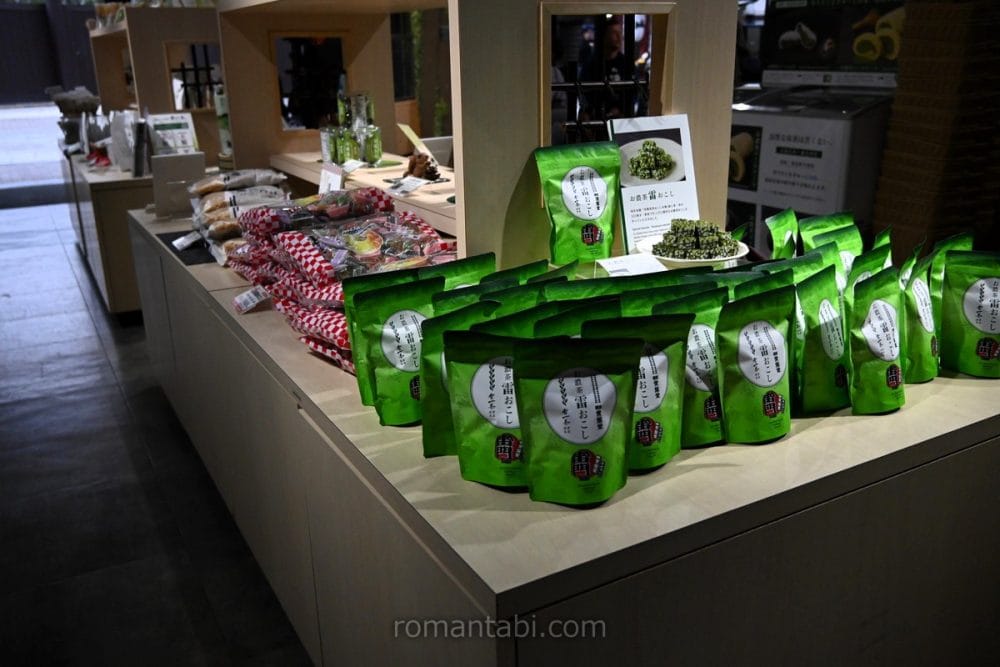
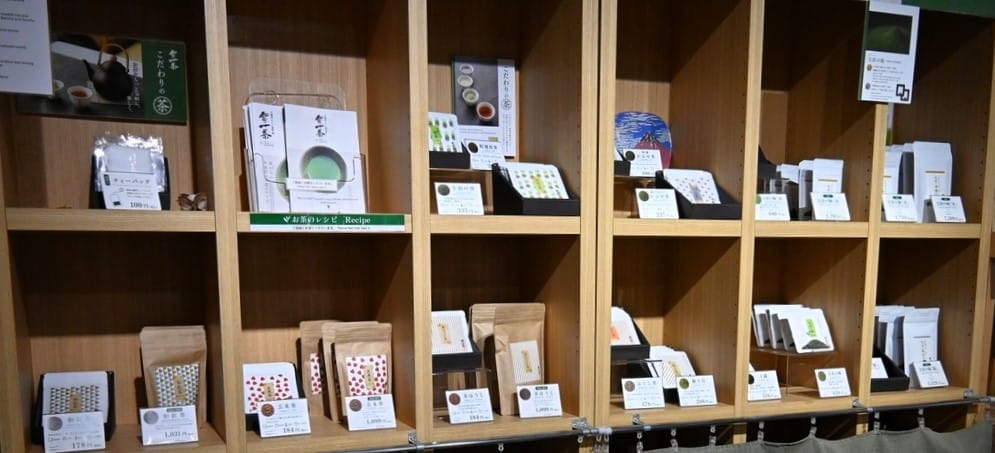
A matcha specialty shop using premium Uji tea, with a dedicated tea lounge, Koicha Saryo Issa, for a slower, sit-down matcha experience. The parfaits and tarts are the draw, along with a matcha latte poured tableside — good for photos, better for the taste. Prices are periodically revised, so check current menu pricing when you visit.
Unique Shops
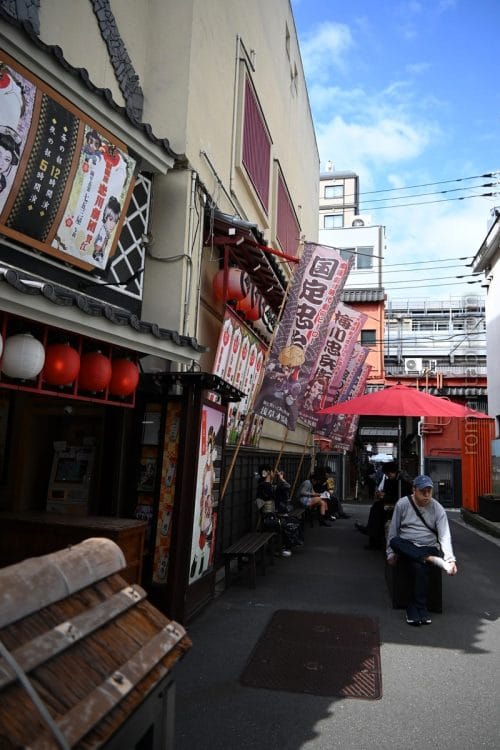
Asakusa Mokubakan Theater
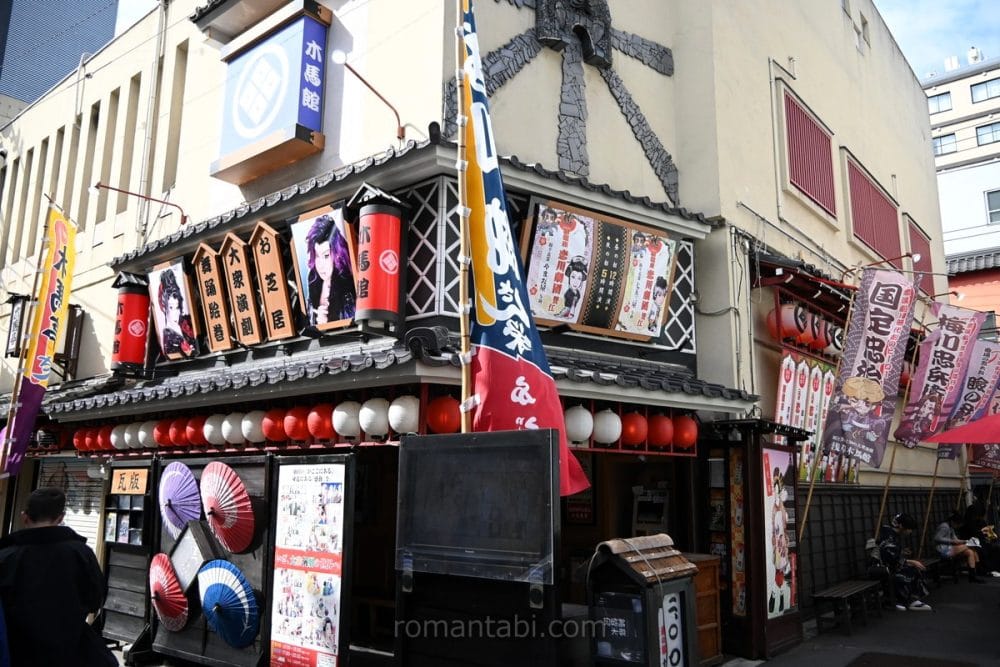
A small traditional theater with a rotating lineup of performances, from historical drama to comedy — often with actors stepping off the stage to interact directly with the audience. The lantern-lined facade alone is worth a photo.

Oedo Samurai Asakusa-han
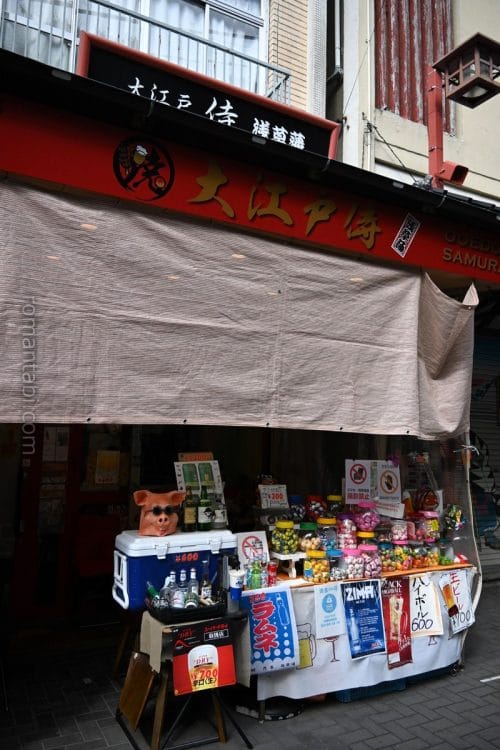
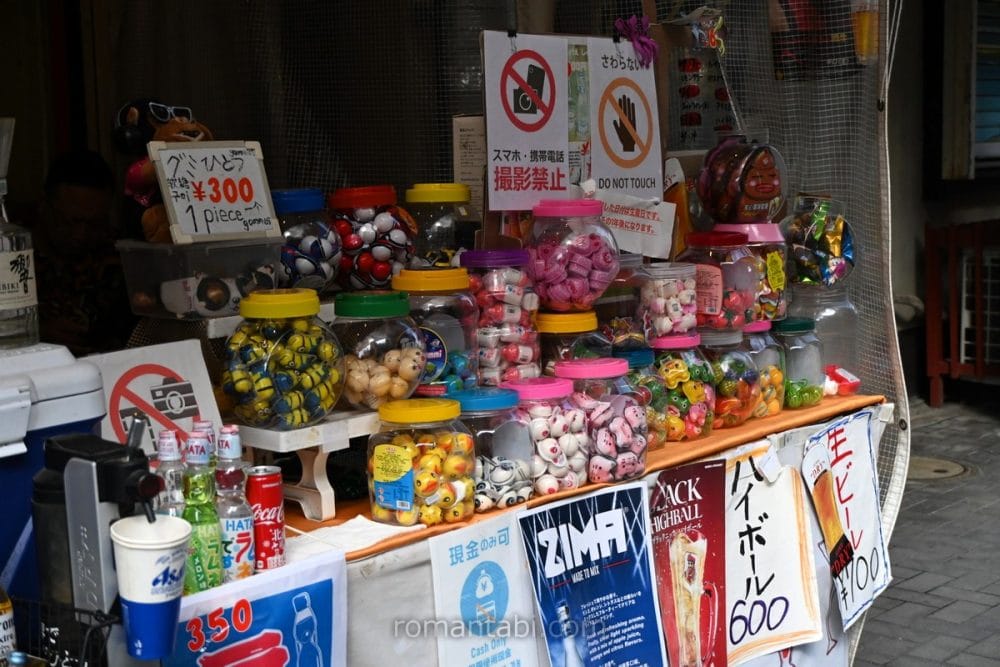
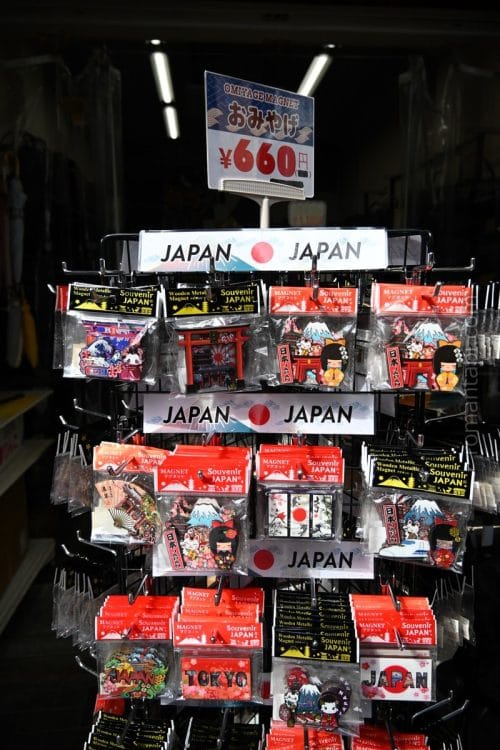
A retro-themed shop selling dagashi (old-school Japanese penny candy), vintage-style toys, and Edo-inspired trinkets, staffed by attendants in period costume. It's a bit theatrical, and that's the appeal.
Watanabe-ya
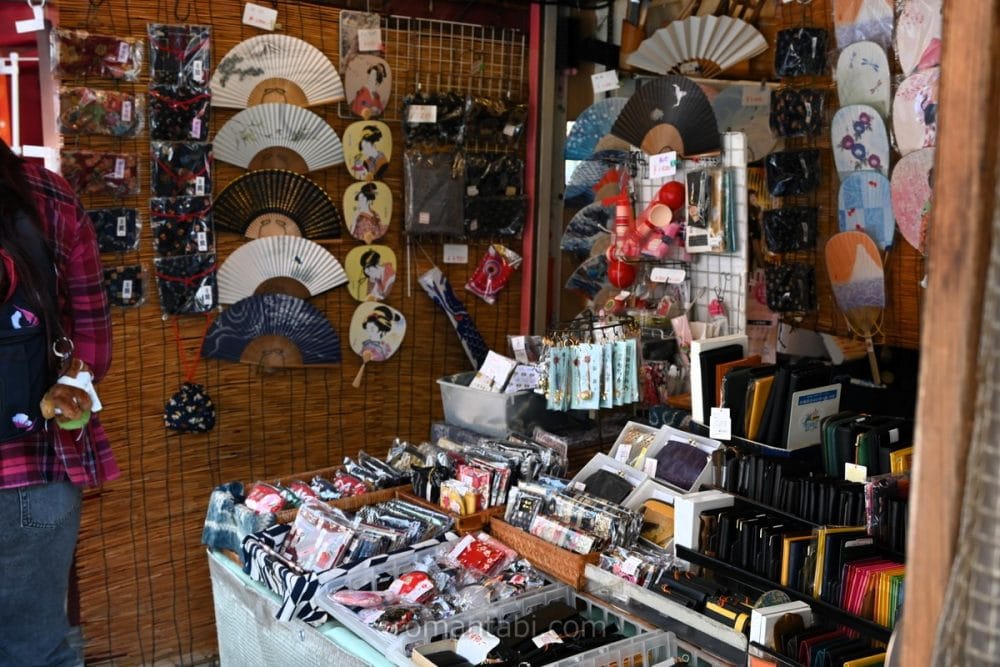
A small shop stocked with folding fans, coin purses, drawstring bags, and kimono-style wallets — handcrafted, colorful, and genuinely useful as gifts rather than just shelf clutter.
FAQ
What is Okuyama Omairi-machi known for?
Its kabuki-themed shutter art (which gives it the nickname "Kabuki Pictures Street"), Seven Lucky Gods statues, and standout food spots like the giant octopus cracker at Tako no Nakigoe.
Is Okuyama Omairi-machi crowded like Nakamise?
No — it's one of the quieter alternatives near Senso-ji, which is part of the appeal if you've already fought the Nakamise crowds.
How do I get to Okuyama Omairi-machi?
It's on the west side of Senso-ji, easiest to reach on foot from Tsukuba Express Asakusa Station or by walking past the temple grounds from Kaminarimon Gate.
Final Thoughts
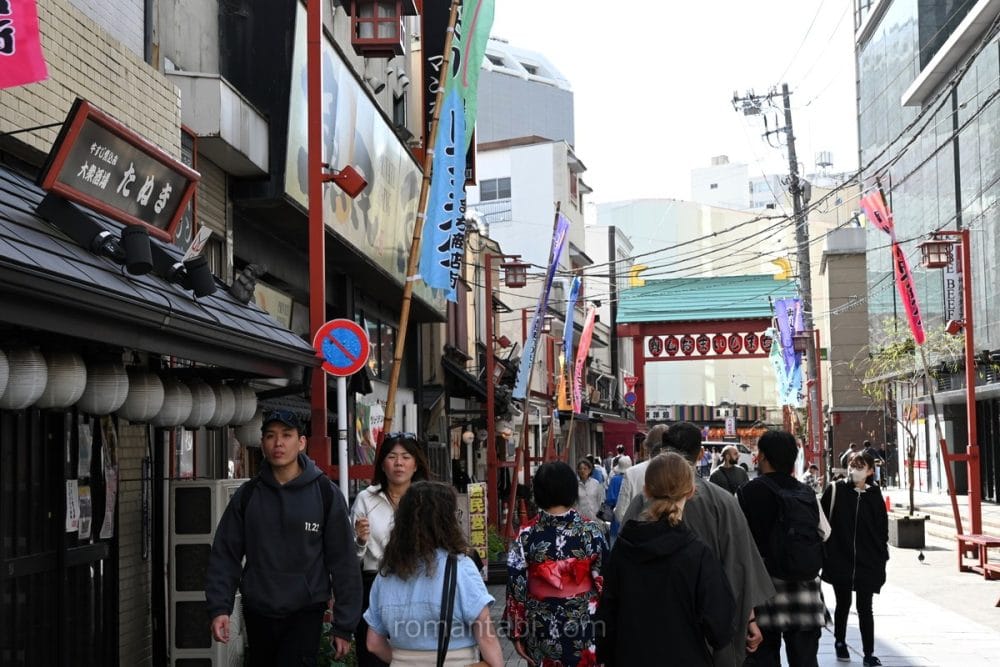
Okuyama Omairi-machi is easy to skip if you don't know to look for it — no famous gate marks the entrance, no crowd pulls you in. But between the shutter art, the giant tako-senbei, and a proper matcha break at Kaminari Issa, it's one of the better uses of an extra 30 minutes in Asakusa.
More on Asakusa

Nakamise classics and quieter local finds on the streets most visitors miss.
From Kameju's dorayaki to a lucky-cat shop only locals know about.
 Agoda
 Expedia
 Hotels.com


